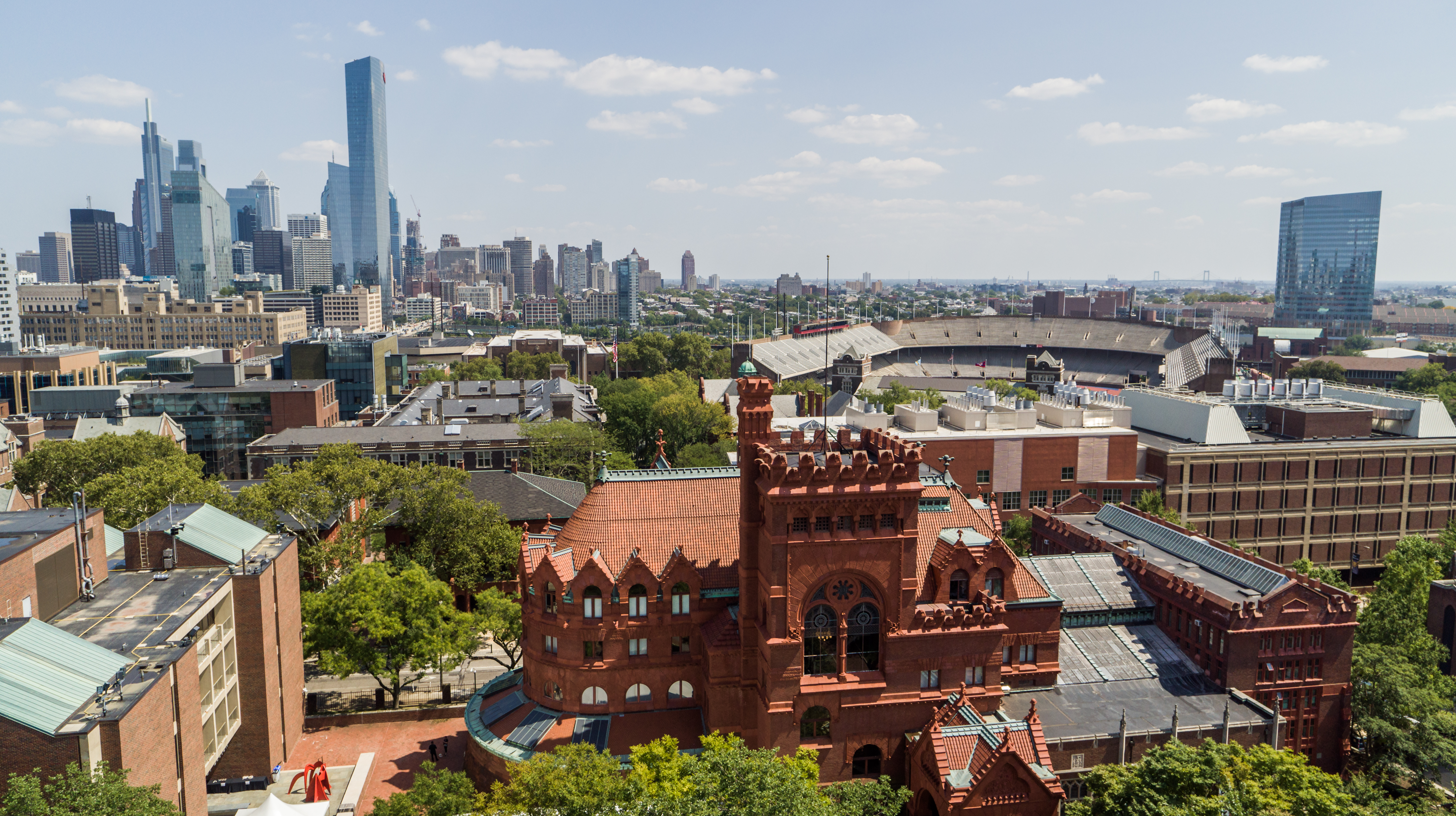
University of Pennsylvania (2019-2022)

Driven by a desire to expand my toolset and expertise, I embarked on T32 postdoctoral training in computational biomedicine, artificial intelligence, and machine learning at the University of Pennsylvania. My goal was to integrate my background in genetics with the fields of big data, human health, and automated machine learning to tackle complex problems that prove difficult for standard methodologies. Under the guidance of Jason H. Moore, PhD, I initiated several projects aimed at predicting adverse clinical outcomes, including opioid use disorder and psychiatric diseases using electronic medical records (EMR) and genetic biobanks. Additionally, leveraging my training in artificial intelligence and machine learning, I began development of specialized methodologies for detecting and uncovering sources of non-additive genetic variation within large-scale genetic datasets. My current interests still lie in these areas. If you want to learn about what I am currently working on, check out the research page!
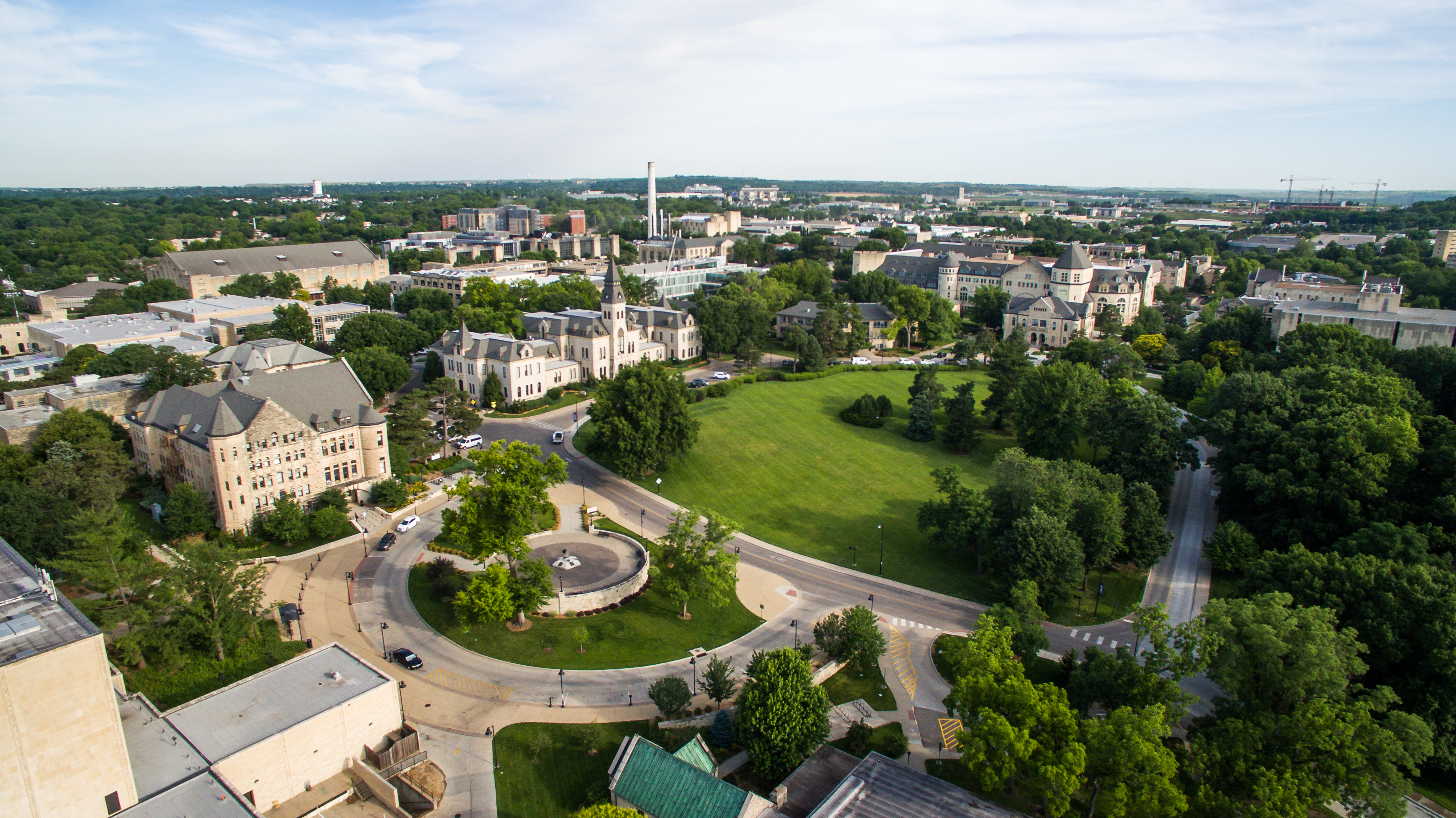
Kansas State University (2014-2018)
In 2014, I began my PhD journey at Kansas State University under the mentorship of Gregory J. Ragland, PhD, and Theodore J. Morgan, PhD, with a continued emphasis on genetics, genomics, evolution, and ecology. My research focused on exploring thermal tolerance phenotypes in Drosophila melanogaster lines of the Drosophila Genetic Reference Panel (DGRP). Through a series of experiments that culminated in my doctoral thesis, I uncovered evidence for genetic decoupling of thermal hardiness across the species’ metamorphic boundary. This included stage-specific genotype-by-environment interactions and gene expression profiles for thermal hardiness. Consequently, my research contributed to reinforcing the adaptive decoupling hypothesis, which suggests that distinct life stages in complex life cycles evolve to occupy and exploit different ecological niches.

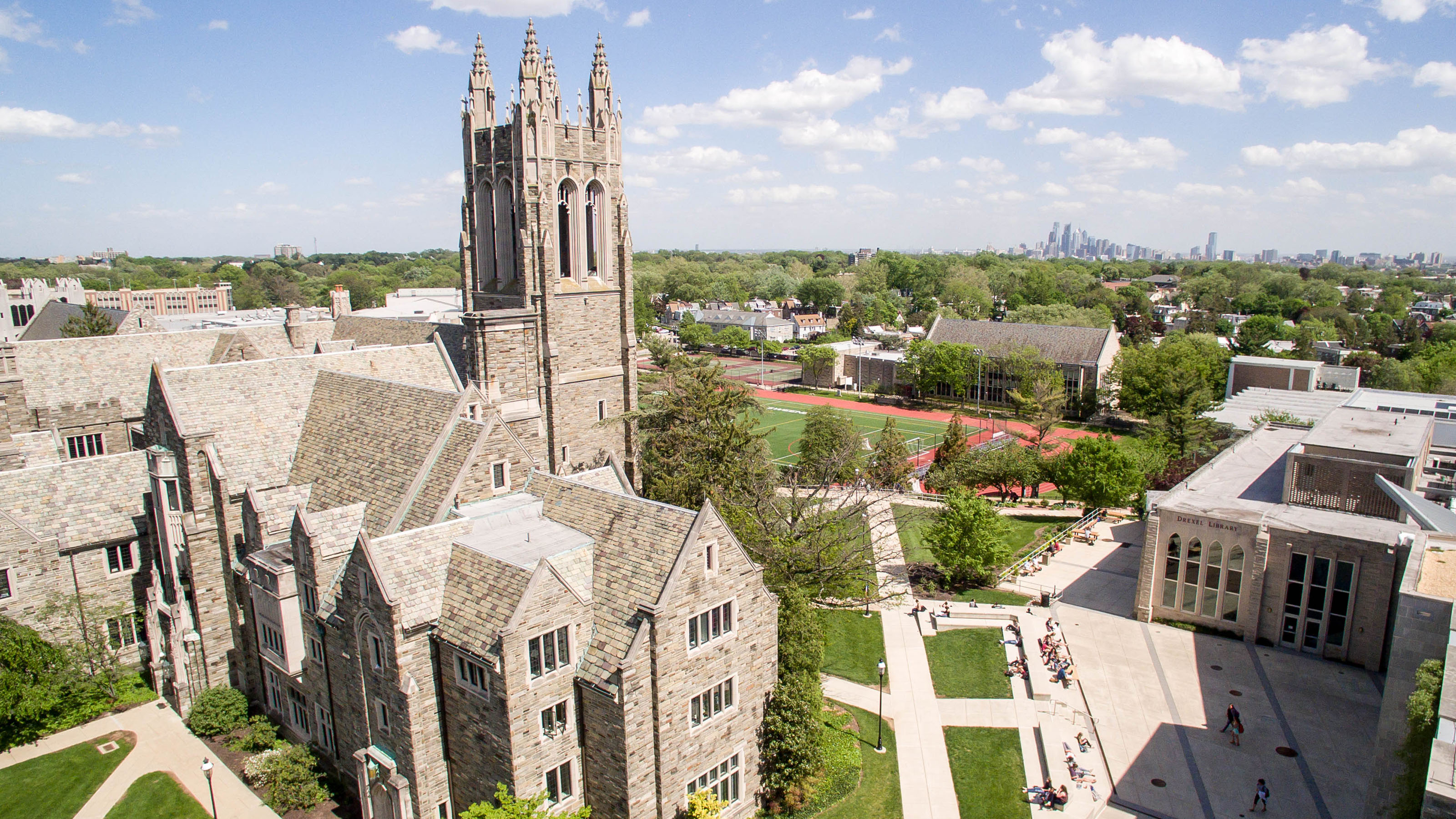
Saint Joseph’s University (2010-2014)

In 2012, following two years of supplementary undergraduate coursework in lab sciences and working full-time as a security officer at Saint Joseph’s University, I started my Master’s program in Biology. Under the guidance of John Braverman, PhD, my interests in evolutionary biology, genetics, genomics, and ecology took root. My thesis research centered on cataloging Drosophila fruit fly specimens and identifying temporal variation in microsatellite alleles over the course of multiple field collecting seasons in D. simulans, a close relative of D. melanogaster. I also catalogued the presence of D. suzukii, an invasive pest species of soft-skinned fruits, for the first time in Southeastern, PA. In addition to my work with fruit flies, I engaged in research aimed at understanding the effects of increasing CO2 levels on Arabidopsis thaliana with Clint Springer, PhD.
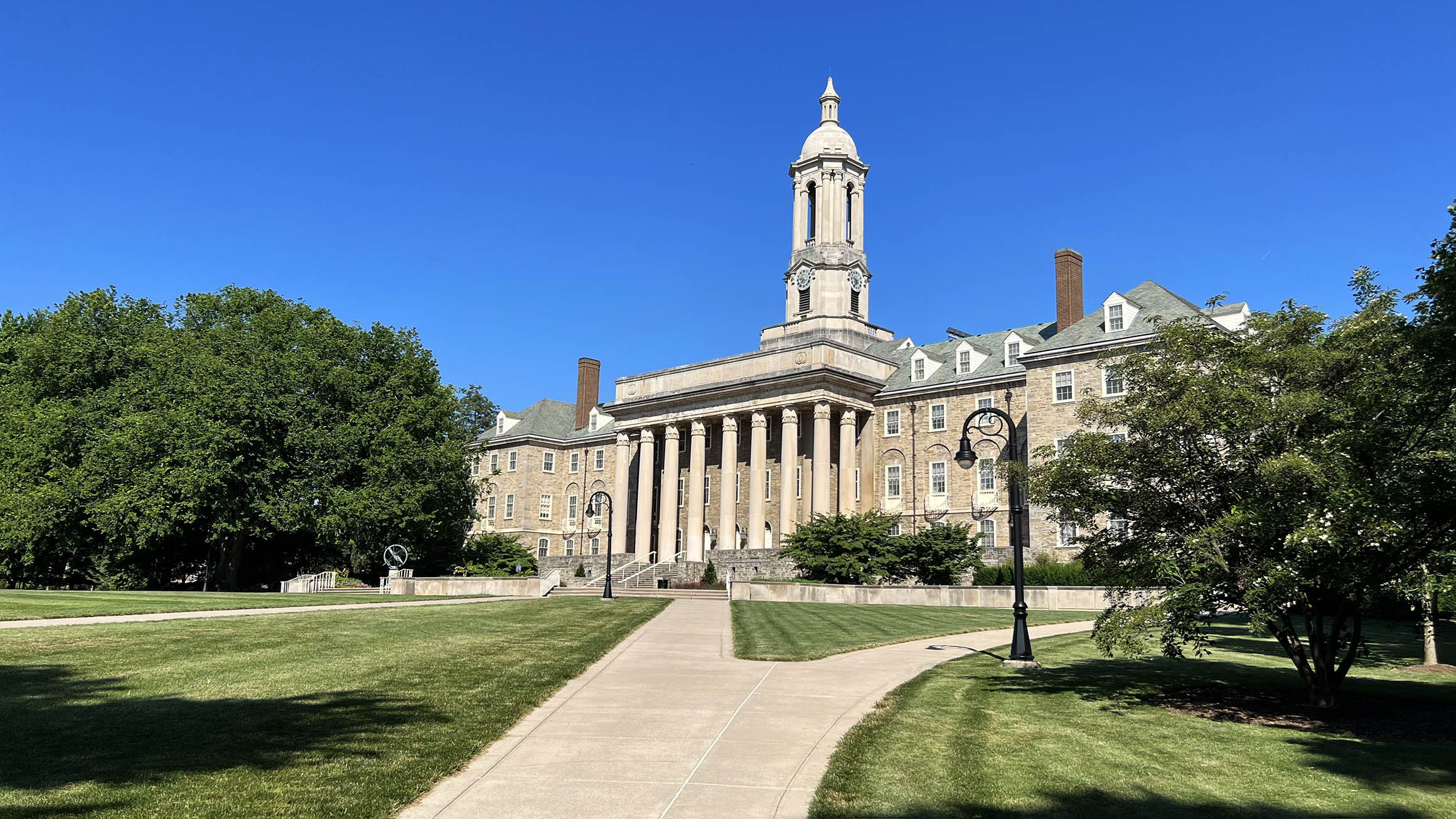
Pennsylvania State University (2001-2005)
Before embarking on my scientific career, my interests lay in criminology and sociology. In December 2005, I graduated from Pennsylvania State University, earning a B.S. in Administration of Justice along with a minor in Sociology. During this time, I interned with the Lower Southampton Police Department and received real-world training in law enforcement and policing. While this educational background did not directly contribute to my understanding of biology, it sparked my initial fascination with the scientific process and sharpened my observational skills. This curiosity and attention to detail paved the way for employment opportunities that eventually led me to Saint Joseph’s University, where I pursued my Master’s in Biology.